
As solar adoption accelerates across India, the focus is shifting from just installation to maximizing solar power generation. Whether you are a homeowner or a business, improving solar panel efficiency ensures higher energy output, better ROI, and faster payback on your solar investment.
In this guide, we explore practical strategies to increase solar power generation and get the most out of your solar system.
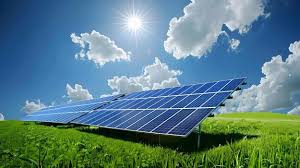
Understanding the Basics
Solar panels generate electricity by converting sunlight into energy using photovoltaic (PV) cells. However, actual output rarely matches theoretical capacity due to multiple real-world factors such as shading, temperature, dust, and system inefficiencies. Maximizing generation, therefore, is about reducing these losses at every stage.
1. Optimal Panel Placement and Orientation
The positioning of solar panels plays a critical role in determining output. In India, south-facing panels with an optimal tilt angle (typically close to the location’s latitude) receive maximum sunlight throughout the year.
Even minor deviations in angle or direction can lead to noticeable losses over time. For urban installations, avoiding shading from nearby buildings, trees, or structures is equally important.
2. High-Quality Components Matter
Efficiency starts with the right equipment. Investing in high-efficiency solar panels, reliable inverters, and durable mounting structures ensures better performance and longevity.
Modern technologies such as mono PERC and bifacial panels can generate more energy per square meter, making them especially useful where space is limited.
3. Minimize Energy Losses in the System
Losses can occur at multiple points:
- Conversion losses in inverters
- Resistance losses in wiring
- Mismatch losses between panels
Using string optimization, microinverters, or power optimizers can help mitigate these inefficiencies and improve overall system output.
4. Regular Cleaning and Maintenance
Dust accumulation is a major issue, particularly in Indian environments. A thin layer of dust can reduce efficiency by 5–20%, depending on conditions.
Routine cleaning schedules, especially in dry and dusty regions, can significantly boost generation. Additionally, periodic inspections help identify issues like loose connections or panel degradation early.
5. Leverage Smart Monitoring Systems
Real-time monitoring allows users to track performance and detect anomalies instantly. Advanced analytics can pinpoint underperforming panels, shading issues, or inverter faults.
With data-driven insights, corrective actions can be taken quickly, minimizing downtime and maximizing energy output.
6. Temperature Management
Solar panels are less efficient at higher temperatures. Proper airflow and installation techniques—such as leaving adequate space between the roof and panels—help dissipate heat and maintain efficiency.
7. Energy Storage and Load Optimization
While storage systems like batteries do not increase generation directly, they improve the effective utilization of generated power. Aligning energy consumption with peak generation hours further enhances overall system efficiency.
8. Periodic Performance Audits
Over time, system performance can degrade. Conducting periodic audits helps compare actual output with expected benchmarks and identify areas for improvement.
Conclusion
Maximizing solar power generation is not a one-time effort but a continuous process of optimization, monitoring, and maintenance. By focusing on smart design, high-quality components, and proactive management, users can significantly enhance efficiency and returns.
As solar adoption accelerates, those who prioritize performance optimization will not only reduce costs but also contribute more effectively to a sustainable energy future.